The Standout New Feature: AI Vector Search
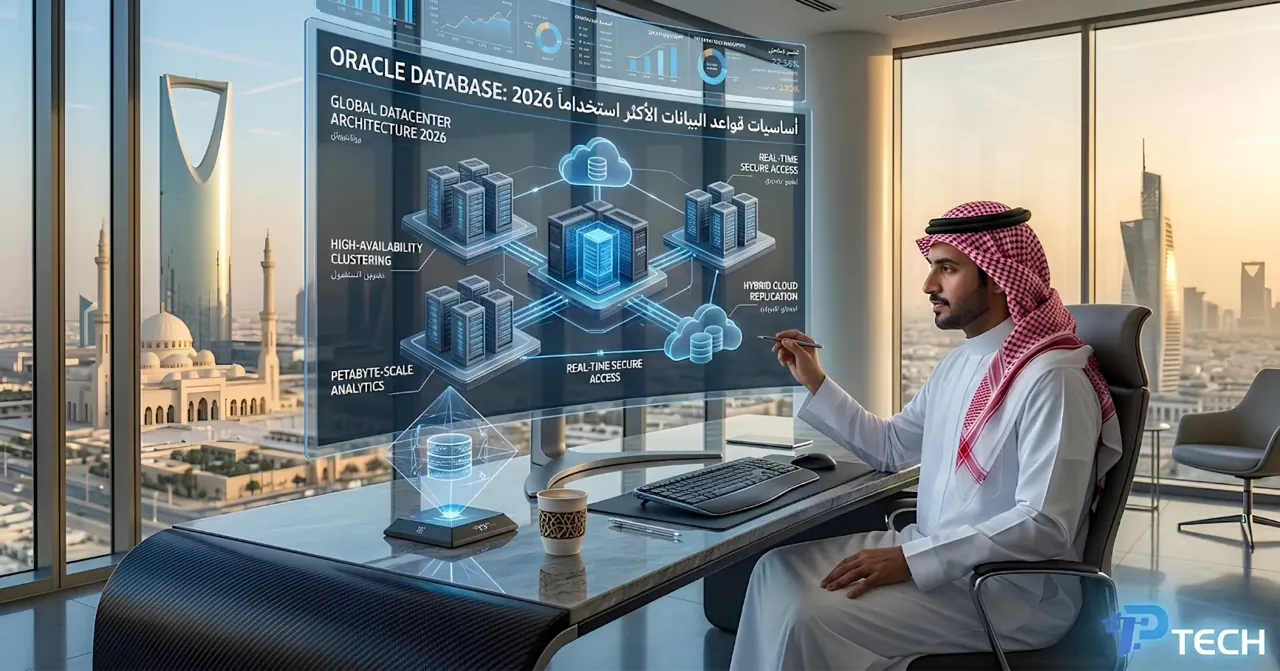
This is by far the most notable feature in the new generation of Oracle Database. Put simply: instead of searching for literal word matches, vector search converts data (text, images, documents) into multidimensional numerical representations (embeddings) that capture the actual meaning of the content. This means the database can find results that are similar in meaning even if they share no common words at all. This is technically known as semantic search, and it is the foundation of modern generative AI applications such as Retrieval-Augmented Generation (RAG).
The real competitive advantage here: instead of relying on a completely separate vector database (such as Pinecone, Weaviate, or Milvus) alongside your primary relational database, which is the common pattern in most AI systems today, Oracle integrates vector search directly into the same database engine. This lets you combine semantic search with traditional relational queries in a single, consistent SQL query, without moving data between separate systems or worrying about keeping them in sync.
Other Notable Features Worth Knowing
Select AI: automatically converts simple natural-language questions (such as "Show me last quarter's top customers") into an actual SQL query, which is very useful for business users who aren't familiar with technical query languages.
Graph queries (SQL/PGQ): the first commercial database to implement this international (ANSI) standard for graph queries, enabling complex analytics (fraud detection, network analysis) using familiar SQL syntax without the need for a separate graph database.
SQL Firewall: built into the database kernel itself, it inspects all incoming connections and SQL queries and automatically blocks any suspicious or unauthorized activity (including common SQL injection attacks).
AI-driven self-management: automatic query and index optimization based on actual usage patterns, reducing the need for constant manual performance tuning by database administrators.
Oracle Autonomous Database: A Separate Deployment Option Worth Mentioning
Beyond the traditional self-installed edition, Oracle also offers Autonomous Database as a fully managed, self-driving cloud service: it updates, secures, and repairs itself automatically with minimal human intervention, with multiple options (transaction processing, data warehouse, JSON database) and either shared (Serverless) or Dedicated infrastructure, depending on your needs.
How Can You Try Oracle Database for Free?
You can start trying the system at no cost through two paths: the Database Free edition, which you can download directly for local testing on your machine, or the Always Free tier on Oracle Cloud Infrastructure (OCI), which has no time limit and comes with additional free credits for trying other cloud services. It's an excellent option for any developer or student who wants to explore vector search or Select AI hands-on without any financial commitment.
The Relationship with Oracle ERP Systems
For readers following this series of Oracle ERP articles: it's important to understand that Oracle Database is the technical foundation on which systems such as Oracle E-Business Suite were historically built, while Oracle Fusion Cloud ERP (which we explained in detail in our article [What Is Oracle ERP]) relies on its own cloud infrastructure built on top of Oracle database technologies, but fully managed by Oracle itself, with no direct customer involvement in managing the database. In other words, knowledge of Oracle Database is very helpful for understanding the technical foundation of these systems, but it isn't necessary for using any of them day to day as a regular business user.
Conclusion
Oracle Database is not just "a place to store data"; it is a platform that has evolved over decades to become a true foundation for enterprise AI applications today, by integrating vector search and natural-language queries directly into the database engine itself instead of relying on separate systems. Oracle 19c remains the most widely deployed option today, but the direction is clearly toward the new generation (26ai), especially for any organization planning to build real AI applications on top of its existing data without the complexity of adding entirely new, separate systems.
Frequently Asked Questions
What is the difference between Oracle Database 23ai and 26ai? 26ai is the new unified name for the upcoming long-term support (LTS) release of 23ai, not an entirely different product. The internal version number (23.26.x) reflects that it is effectively an enhanced extension of the same technical generation.
Can I upgrade directly from Oracle 19c to 26ai? Yes, direct upgrades are officially supported through the AutoUpgrade tool, but you need to be aware that the new CDB/PDB architecture is mandatory and has completely replaced the old configuration.
Is AI Vector Search available for free? Yes, it is available at no additional license cost in Enterprise Edition and in Oracle cloud services such as Autonomous Database and Oracle Database Free.
Can I try Oracle Database at no cost? Yes, by downloading Database Free locally or by using the Always Free tier on Oracle Cloud Infrastructure (OCI), with no time limit.
Do I need a deep understanding of Oracle Database to use Oracle ERP systems? No. Oracle Database is the technical foundation these systems are built on, but using them day to day as a regular business user doesn't require any technical knowledge of the database itself.